


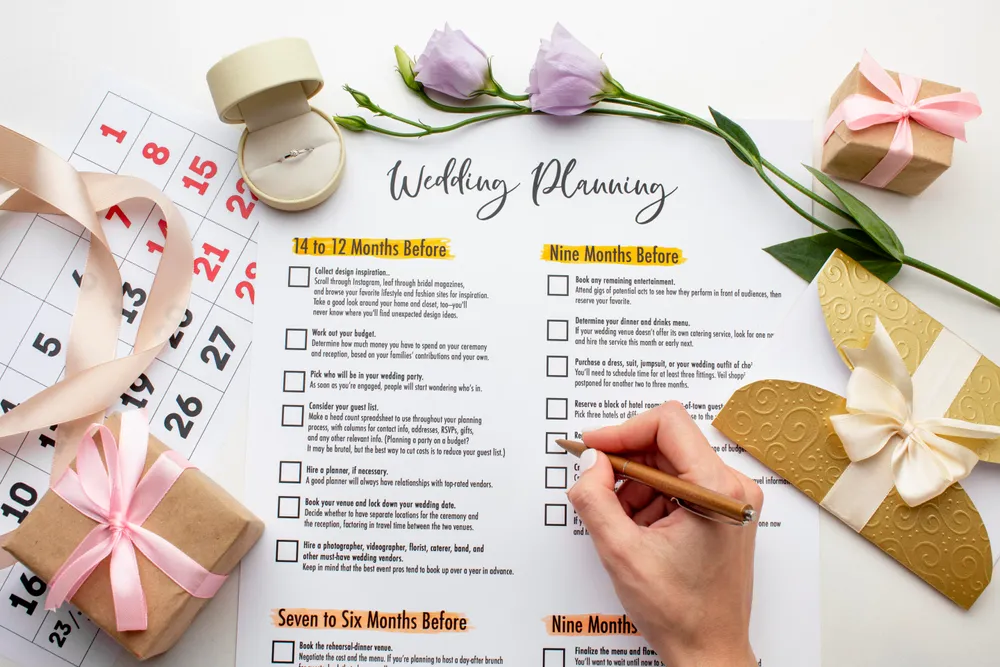
Wedding Planning 101
Planning a wedding can be an exciting and overwhelming experience. It involves numerous tasks, decisions, and considerations to ensure that the special day is everything the couple envisions. From setting a budget to selecting a venue, choosing a theme, and organising all the details, wedding planning requires careful thought and organization. In this comprehensive guide, we will delve into the various aspects of wedding planning to help couples navigate through this process smoothly.
Setting a Budget
One of the first steps in wedding planning is determining the budget. This will influence all other decisions made throughout the planning process. It is important to be realistic and consider factors such as the number of guests, venue costs, catering expenses, decorations, attire, and any additional services or vendors required.
Creating a timeline
Once the budget is established, The timeline should include milestones such as booking the venue, hiring vendors (photographer, caterer, florist, etc.), sending out invitations, selecting attire, and finalising details like music choices and menu options. Breaking down these tasks into smaller steps will make them more manageable and less overwhelming.
Selecting a Venue
Factors to consider when selecting a venue include location, capacity (to accommodate the desired number of guests), availability on the chosen date, ambiance, amenities provided (such as catering or audiovisual equipment), and cost.
Determining the Guest List
Couples should also decide whether they want to have an adults-only wedding or include children. Once the initial list is created, it can be revised and adjusted as needed.
Choosing a Theme
The theme can be based on the couple's interests, favourite colours, a specific era, or cultural traditions. It is important to ensure that the chosen theme is reflected consistently throughout the wedding, from invitations and decorations to attire and music.
Hiring Vendors
Weddings often require the assistance of various vendors to bring all the elements together. Some common vendors include photographers, videographers, caterers, florists, musicians or DJs, wedding planners or coordinators, and transportation services. When hiring vendors, it is essential to do thorough research, read reviews, compare prices, and meet with potential candidates before making a final decision.
Designing Invitations
Couples can choose to design their own invitations or hire a professional stationery designer. The invitations should include details such as the date, time, venue address, dress code (if applicable), RSVP information, and any additional instructions or requests.
Selecting Attire
The bride typically selects her wedding gown while considering factors such as style, fabric, fit, and budget.
Planning the Ceremony
Couples should decide whether they want a religious or secular ceremony and choose an officiant accordingly. They can also personalise the ceremony by writing their own vows or incorporating cultural or family traditions.
In conclusion, wedding planning involves numerous tasks and decisions that require careful consideration and organization. From setting a budget to selecting a venue, choosing a theme, hiring vendors, designing invitations, selecting attire, planning the ceremony and reception, and finalising all details, each step contributes to creating a memorable and personalised wedding experience